




ASG Eye Hospital

Advanced Corneal Treatment with Cutting-Edge Technology

20 

Years

180+
Hospitals

700+
Eye Specialists

3
Crore+ Eyes

Cornea & Corneal Disorders

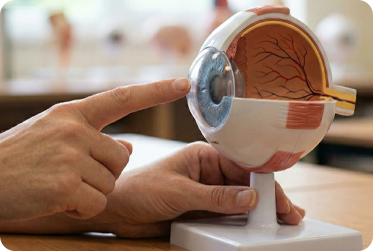
The cornea is the clear, dome-shaped front surface of the eye. It plays a crucial role in focusing light onto the retina — much like the lens of a camera. Because it provides nearly two-thirds of the eye’s focusing power, even small changes in the cornea can significantly affect vision.

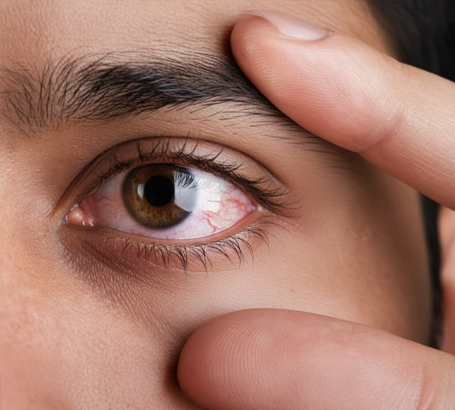
When the cornea becomes infected, injured, swollen, or irregular in shape, vision may become blurred, distorted, or painful. Early diagnosis and timely treatment are essential to prevent long-term damage and preserve sight.

Blurred or distorted vision
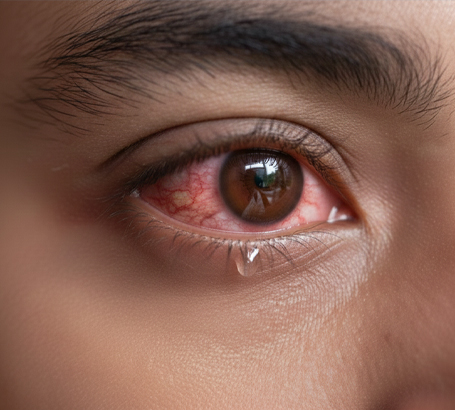
Redness or persistent irritation

Sensitivity to light (photophobia)
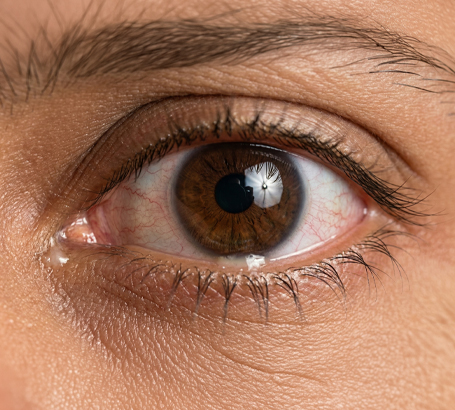
Excessive watering or discharge
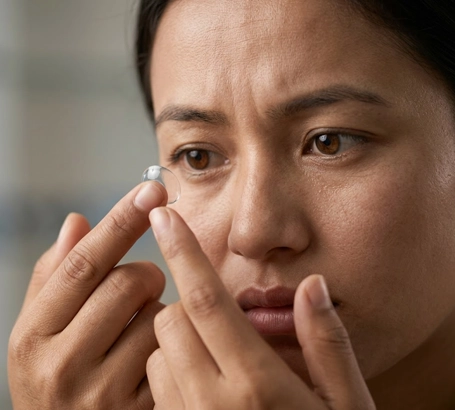
Difficulty wearing contact lenses

Eye pain or foreign body sensation
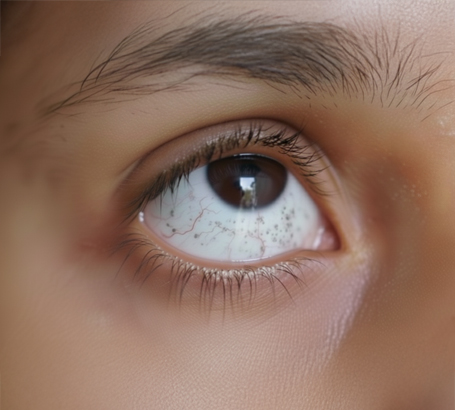
Visible white or grey spot on the eye

Sudden or gradual changes in vision
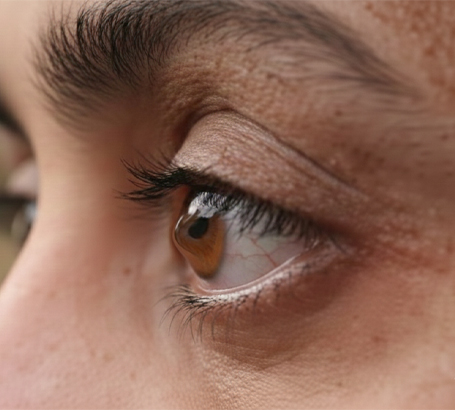
Keratoconus A progressive condition where the cornea becomes thin and bulges into a cone shape, leading to distorted and blurry vision.
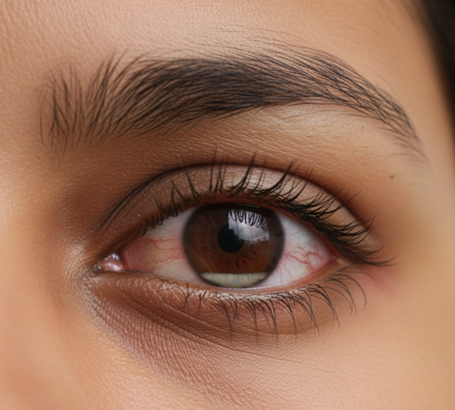
Corneal Ulcer An open sore on the cornea, usually caused by infection. This is a medical emergency and requires immediate treatment to prevent permanent vision loss.
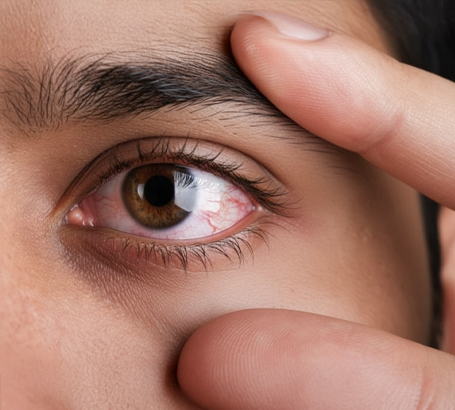
Dry Eye Disease A tear film imbalance can cause burning, irritation, fluctuating vision, and surface damage to the cornea.
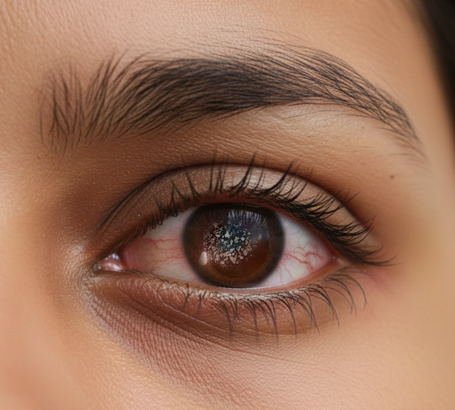
Corneal Dystrophies A group of inherited conditions that cause abnormal deposits or clouding within the cornea, affecting clarity over time.
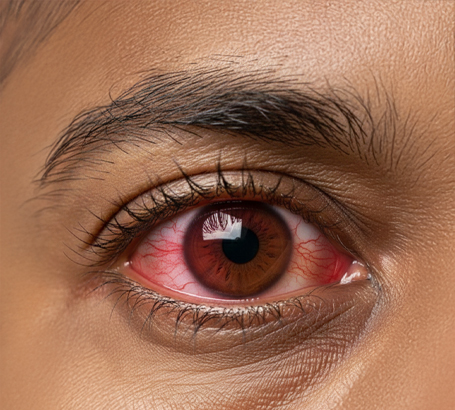
Corneal Scarring / Opacities Scars from injury, infection, or previous surgery can reduce transparency and affect vision.
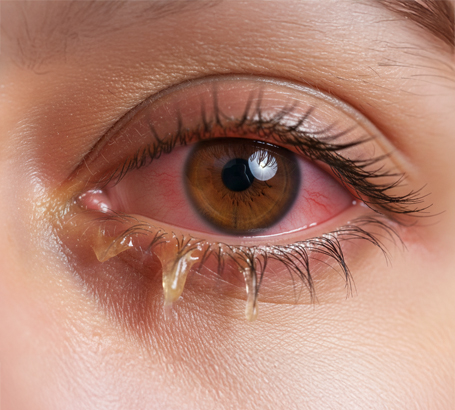
Bacterial, viral, or fungal infections
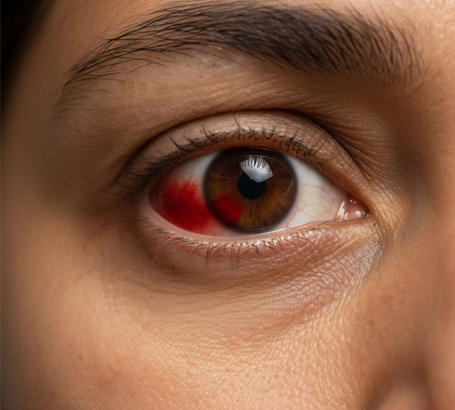
Eye injuries, scratches, or chemical exposure
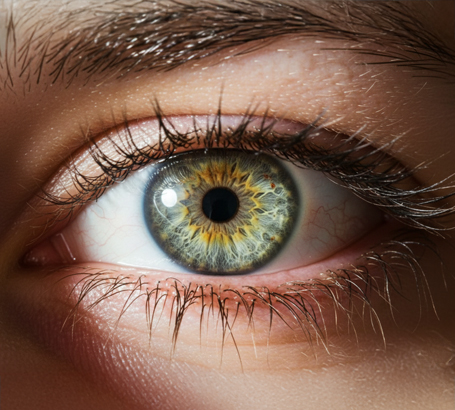
Genetic (inherited) disorders
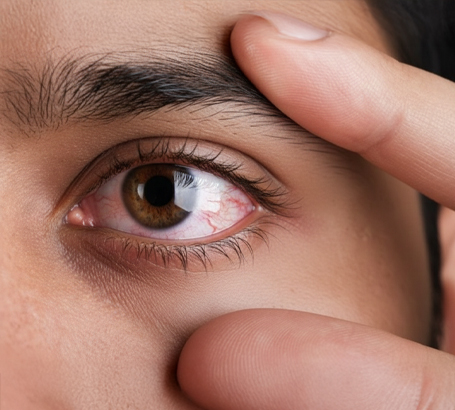
Chronic dry eye or autoimmune inflammation
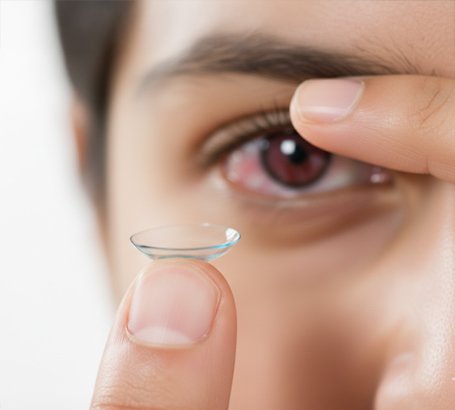
Improper contact lens hygiene or overuse
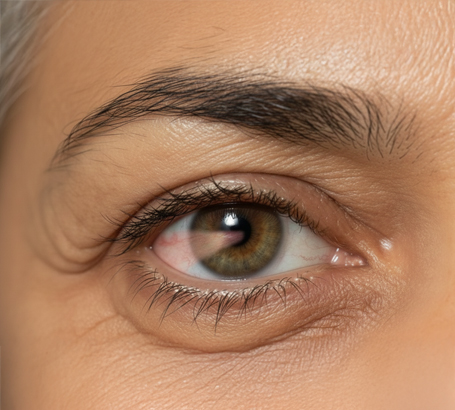
Age-related changes affecting inner corneal cells (such as endothelial disorders)
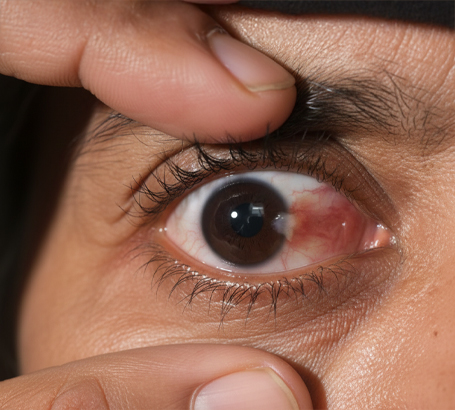
Excessive ultraviolet (UV) exposure
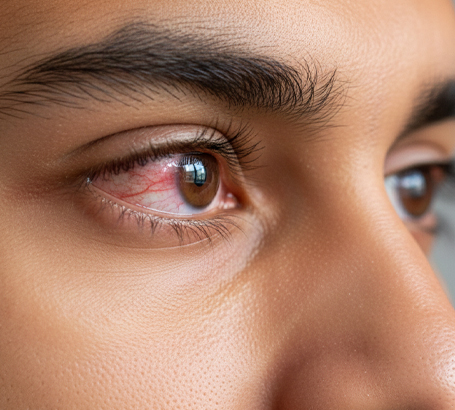
Medical conditions such as diabetes
Complications after eye surgery


Treatment Options for Corneal Disorders

Advanced Technologies for Cornea Care at ASG

Your Step-by-Step Cornea Care Journey

  • Comprehensive corneal evaluation
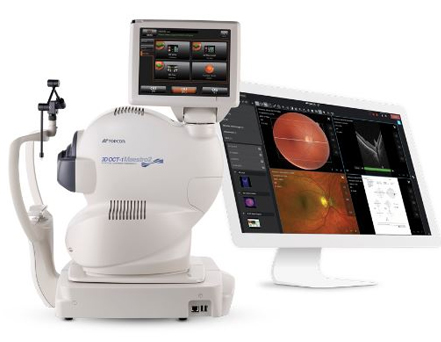
  • Advanced imaging (Topography / OCT if required)
  • Detailed discussion of symptoms and lifestyle needs

Consultation

1

  • Clear explanation of your condition
  • Tailored treatment plan
  •  Discussion of conservative vs. surgical options

Diagnosis & Personalized Planning

2

  • Medication, specialty lenses, laser procedures, or surgery based on severity
  • Minimally invasive approaches whenever possible
  • Focus on comfort and safety

Treatment

3

  • Regular monitoring
  • Prevention of progression or recurrence
  • Ongoing vision care support

Follow-Up & Long-Term Protection

4

Through Their Eyes, You’ll See Us

Clear Answers for Better Vision

What is the cornea?

The cornea is the clear, dome-shaped outermost layer at the front of the eye. Often referred to as the “window of the eye,” it plays a vital role in focusing light and protecting the inner structures of the eye from dust and germs.

Our specialists at ASG frequently treat a variety of corneal conditions, including:

Keratitis: Inflammation or infection often caused by bacteria or viruses.
Corneal Abrasions: Scratches on the surface of the eye.
Corneal Ulcers: Serious open sores usually resulting from infection.
Keratoconus: A condition where the cornea thins and bulges into a cone shape.
Corneal Dystrophies (e.g., Fuchs’ Dystrophy): Genetic conditions causing cloudiness.
Pterygium: A non-cancerous growth that can spread onto the cornea.

You should visit a specialist if you experience:

Blurred or distorted vision.
Persistent eye pain or redness.
Extreme light sensitivity (photophobia).
Excessive tearing or unusual discharge.
The sensation of having a foreign object in your eye.

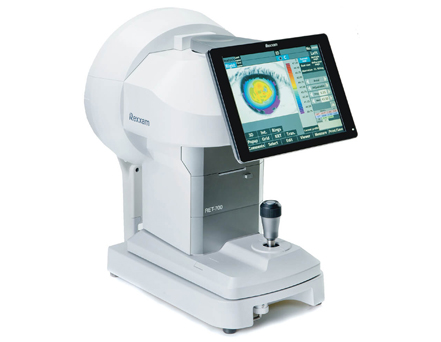
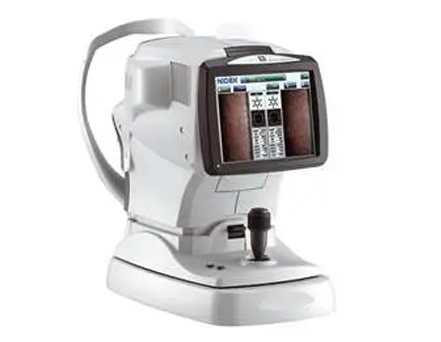
We use advanced diagnostic technology, including Slit-Lamp Microscopy and Corneal Topography, to map the surface of your eye. These tools allow our surgeons to observe individual corneal layers and detect microscopic changes early.

While minor abrasions may heal within 24–48 hours, they should always be evaluated by a professional. An untreated scratch can lead to a Corneal Ulcer or serious infection, which can permanently impair your vision.

At ASG, treatment is customized based on the diagnosis:

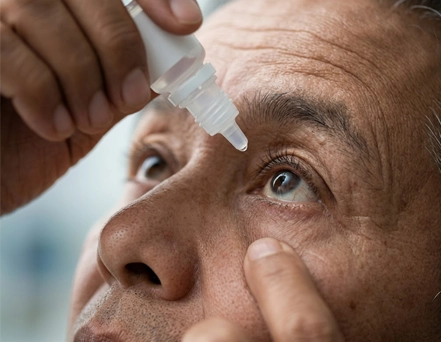
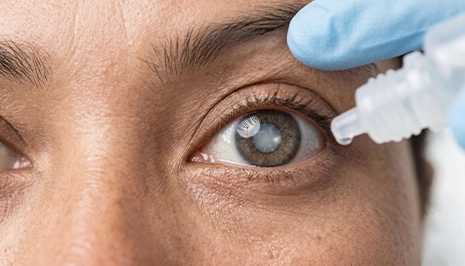
Medical Management: Specialized antibiotic or anti-inflammatory eye drops.
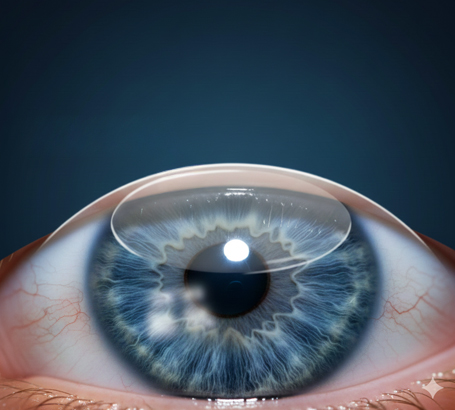
Specialty Contact Lenses: Scleral or Rose-K lenses for Keratoconus.
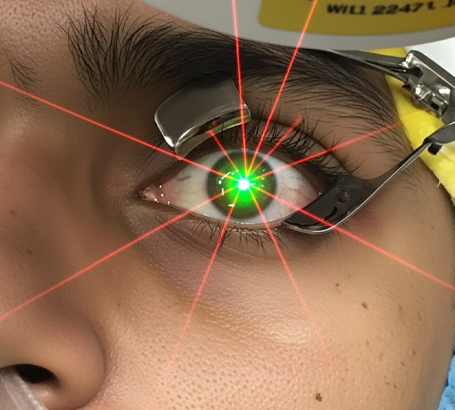
C3R (Corneal Collagen Cross-linking): To strengthen the cornea and stop the progression of Keratoconus.
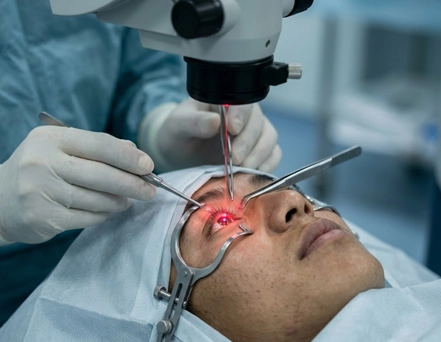
Corneal Transplant: Replacing damaged tissue with healthy donor tissue.

A corneal transplant is a surgical procedure where a damaged or diseased cornea is replaced with healthy donor tissue. ASG Eye Hospital is equipped with advanced surgical suites to perform both full-thickness and partial-thickness (DALK/DSEK) transplants.

Corneal transplants are highly successful. While all surgeries carry some risk, such as graft rejection or infection, our surgeons use precision techniques to minimize these. Regular post-operative follow-ups at ASG ensure the best long-term results.

Always wear protective eyewear during sports or industrial work.
Maintain strict hygiene if you wear contact lenses (never sleep in them).
Treat chronic “Dry Eye” promptly to prevent surface damage.
Schedule regular eye exams to catch genetic conditions early.

Seek immediate care if you experience sudden vision loss, persistent pain after an injury, or if you have a “white spot” appearing on the clear part of your eye. Early intervention is the key to preventing permanent scarring.

Every Angle of Vision.
Every Kind of Care.

Book Your Appointment

Submit Your Request

Get a Call from Our Team

Meet Your Specialist

Begin Your Eye Care Journey

Please wait...

Our Branch